Furniture from China to the USA: Oversized Packing and Container Loading Checklist
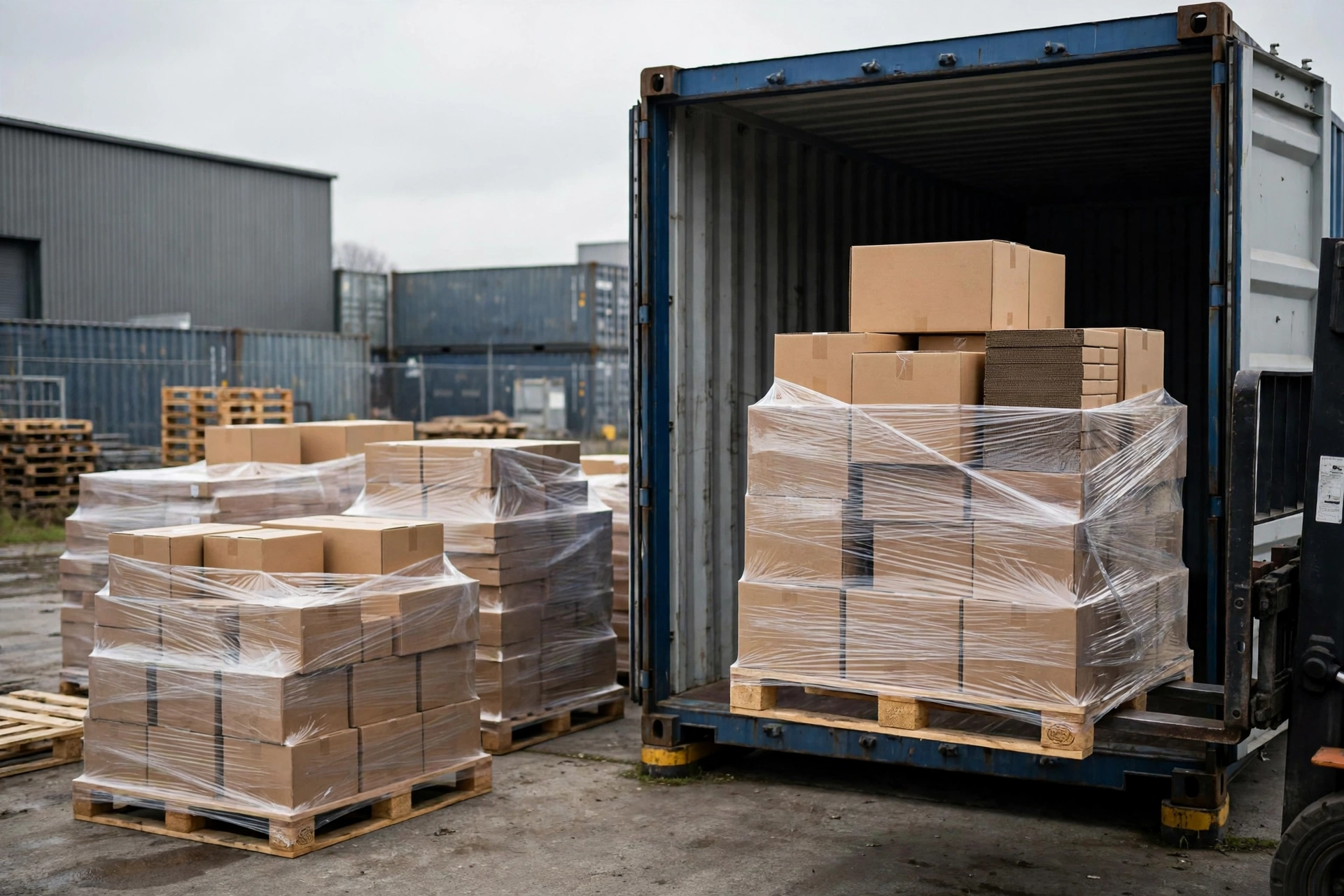
Furniture travels from China to the USA mostly by ocean, and the work starts with the size of each piece. Sofas, tables and wardrobes are bulky and awkward to handle, so the packing and the container plan matter more than the mode. A shipment reviewed on dimensions, weight and loading plan moves more smoothly than one booked on carton count alone.
Start with the dimensions
The first questions are always the dimensions and weight of each piece: length, width, height and whether it ships flat-packed or assembled. Piece size decides the container type, and a booking made on piece count alone is often sent back once the loading plan shows the furniture does not fit the container booked.
Give the forwarder the exact dimensions, not just the piece count. Flat-pack and assembled pieces load very differently, so list them separately with their own measurements.
Packaging that protects surfaces
Furniture needs corner protectors, edge guards, blanket wrap and padding so surfaces cannot scuff, dent or scratch during handling. Glass panels and mirrors need their own protection, with face guards and rigid packing.
Check every piece before it leaves the warehouse. A piece that is already loose or damaged will not survive ocean handling, so fix the packing at origin rather than after the goods arrive.
Container loading and weight distribution
Agree the loading plan before the container arrives at the warehouse. Weight should be spread evenly across the container floor, and the load must be secured so it cannot shift during the ocean leg.
The verified gross mass of the packed container is part of the loading documents. Confirm the weighing and the loading plan with the forwarder so the container is not held at the port for corrected paperwork.
Ocean and onward delivery
Ocean freight is the usual mode for furniture to the USA, because the volumes are large and the goods are bulky. Furniture on its own is usually general cargo, so the dangerous goods review that applies to batteries and aerosols does not apply to the furniture itself.
The onward road leg is standard haulage. Confirm delivery access at the site before dispatch, including road width, unloading equipment and who unloads, because a truck that cannot reach the site costs more time than the ocean leg.
What to send for a quote
A usable quote starts with the dimensions and weight of each piece, whether it ships flat-packed or assembled, the quantity and package count, the package type and gross weight, origin and destination, and the cargo ready date.
An inquiry or estimate is not final carrier acceptance. Rates, transit time and acceptance all depend on the exact product, route and carrier, so confirm them in writing once the carrier has reviewed the full shipment data.
Related guides
- Shipping from China to the USA: Complete Guide
- Sensitive Cargo Shipping from China
- Ocean Container 20ft vs. 40ft Selection for China-USA Shipping
- Container Loading Inspection Checklist for Importers
- VGM for Ocean Freight: Verified Gross Mass and Shipper Responsibilities
Official references
For a route-specific logistics review, provide the product, origin, destination, packed dimensions, weight and ready date.
Request a shipment review ↗Frequently asked questions
Is furniture dangerous goods?
Furniture on its own is usually general cargo, not dangerous goods. If the shipment also includes batteries or other regulated items, those are reviewed separately, so list them on their own lines in the shipment data.
Can furniture ship in a standard container?
It depends on the dimensions of each piece. Flat-pack furniture suits standard containers, while large assembled pieces may need a larger container or a different loading plan. Confirm the container type with the forwarder before booking.
How should furniture be protected for ocean freight?
Use corner protectors, edge guards, blanket wrap and padding so surfaces cannot scuff or dent during handling. Check every piece before it leaves the warehouse, and keep one packing method across the whole order.