Pressed Leaves and Botanical Specimens: Freight and Import Data
Quick answer: Pressed leaves and botanical specimens still need accurate species, origin and treatment details for destination screening.
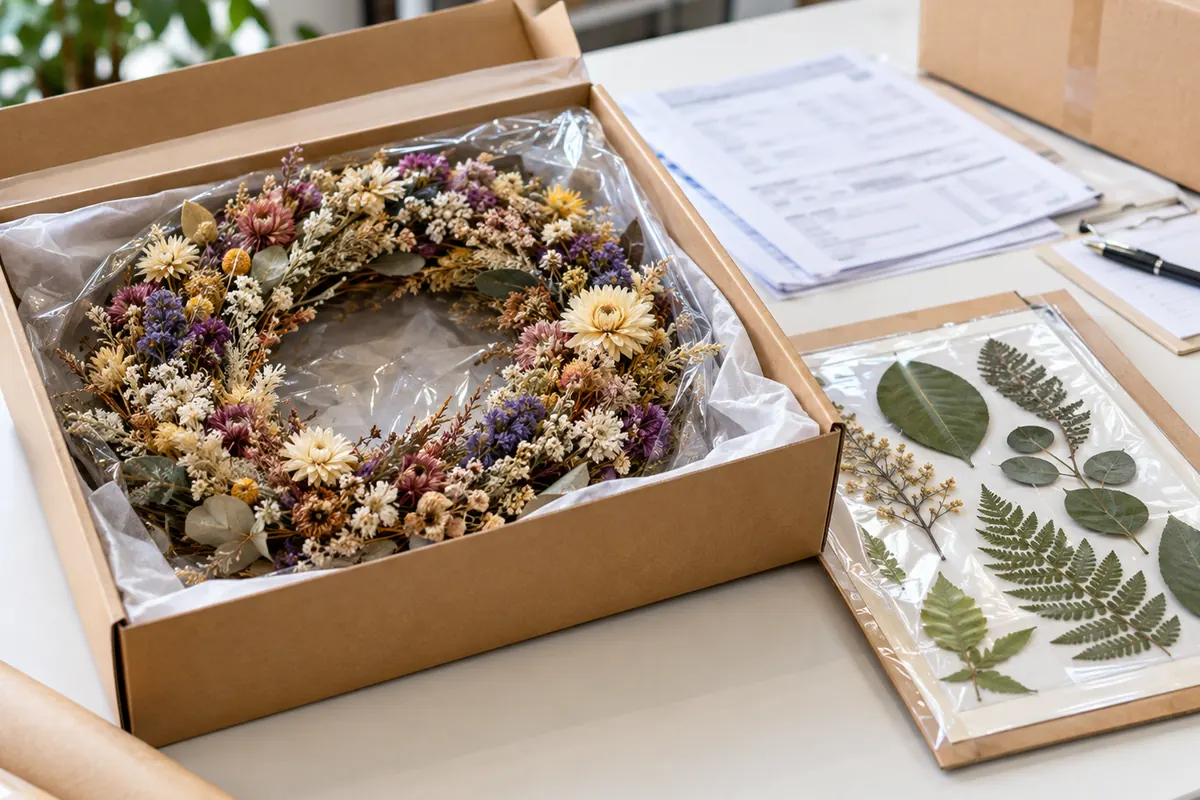
What makes this shipment different?
A flat, dry specimen may appear low risk, but plant import requirements depend on the commodity and origin, not just its shape. Specimens may also be intended for sale, education, research or display, which can change the importer's documentation process.
A practical review sequence
Describe the specimen and intended use, then have the importer check current APHIS and any other relevant requirements. For the freight quote, provide the flat-pack dimensions and protective backing so the provider can assess handling and volume.
Prepare these details for a quote
- Plant species
- origin and collection source
- treatment/preservation
- intended use
- specimen count
- paper/plastic backing
- dimensions and weight
- destination and importer.
Common question
Can pressed leaves be shipped as paper?
Use an accurate description of the plant specimen and packaging; the importer must check applicable plant-product requirements.
Request a shipment review
Send the exact product and model, origin, destination, packed dimensions, gross weight and cargo-ready date. For sensitive goods, attach matching product documents and final packing photos. ANELGO can review the request against current route availability; an inquiry is not a booking or carrier approval.
Request a freight quote ↗View the relevant service ↗Official references
Related guides
- Kitchen Knife Sets: Accurate Product Description and Safe Carton Plan
- Synthetic Wigs: Reduce Quote Guesswork with Packed Carton Data
- Pre-Shipment Photos for Sensitive Cargo: A Review Set That Saves Follow-Ups
- Browse all shipping guides
Privacy notice · Contact ANELGO