How to Review an Ocean Bill of Lading Draft for a China Import
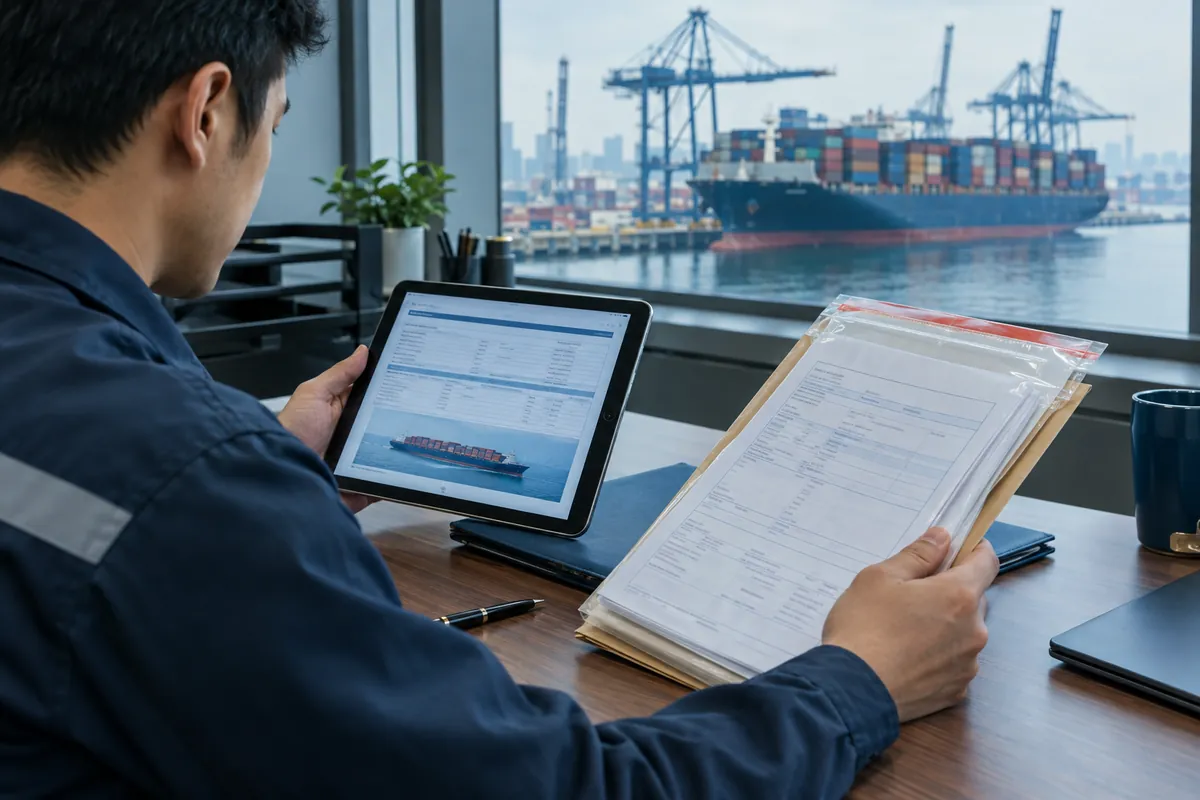
The bill of lading draft is a chance to catch data mismatches before the transport document and carrier manifest are finalized. A wrong consignee, package count or cargo description can create correction work, release delays or confusion among the shipper, importer, broker and carrier. Review the draft against the final commercial invoice, packing list and booking instructions.
Match the parties and shipment reference
Check the shipper, consignee and notify-party names and addresses against the instructions agreed for this shipment. Confirm the purchase order, booking number and any reference your receiving warehouse needs. Ask your customs broker whether the importer details and bill-of-lading data align with its entry and manifest filing. Do not assume the supplier’s default details are correct for your transaction.
Compare cargo facts to final packing
Verify the number and type of packages, marks and numbers, gross weight, and a specific but accurate description of the goods. Compare these fields with the final packing list and invoice. If the cargo contains regulated or carrier-review items, make sure the description and required declarations are accurate; never request vague wording to avoid scrutiny.
Check route and transport details
Confirm ports or places of receipt and delivery, vessel and voyage details when available, freight payment term, and whether the document is a master or house bill. Check that the selected release method matches the contract, payment arrangement and carrier or forwarder process. The draft may change before departure, so keep a dated approved copy.
Correct errors through the issuing party
Send clear correction instructions to the party issuing the document and request a revised draft. After issuance, amendments may require fees, supporting documents or additional approvals. A bill of lading can serve as a receipt and evidence of the contract of carriage; some forms also function as a document of title. Ask your carrier, forwarder, broker or legal adviser about the effect of a specific document before changing release terms.
Request a pre-departure document check
If you want a transport-side review, provide the draft, final invoice and packing list, origin, destination and cargo-ready date through the [ANELGO inquiry form](../index.html#quote). Customs declarations and legal rights should be confirmed with your licensed broker or counsel.
Related guides
Official references
For a route-specific logistics review, provide the product, origin, destination, packed dimensions, weight and ready date.
Request a shipment review ↗