Perfume and Cosmetics from China to Saudi Arabia: What to Check Before Booking
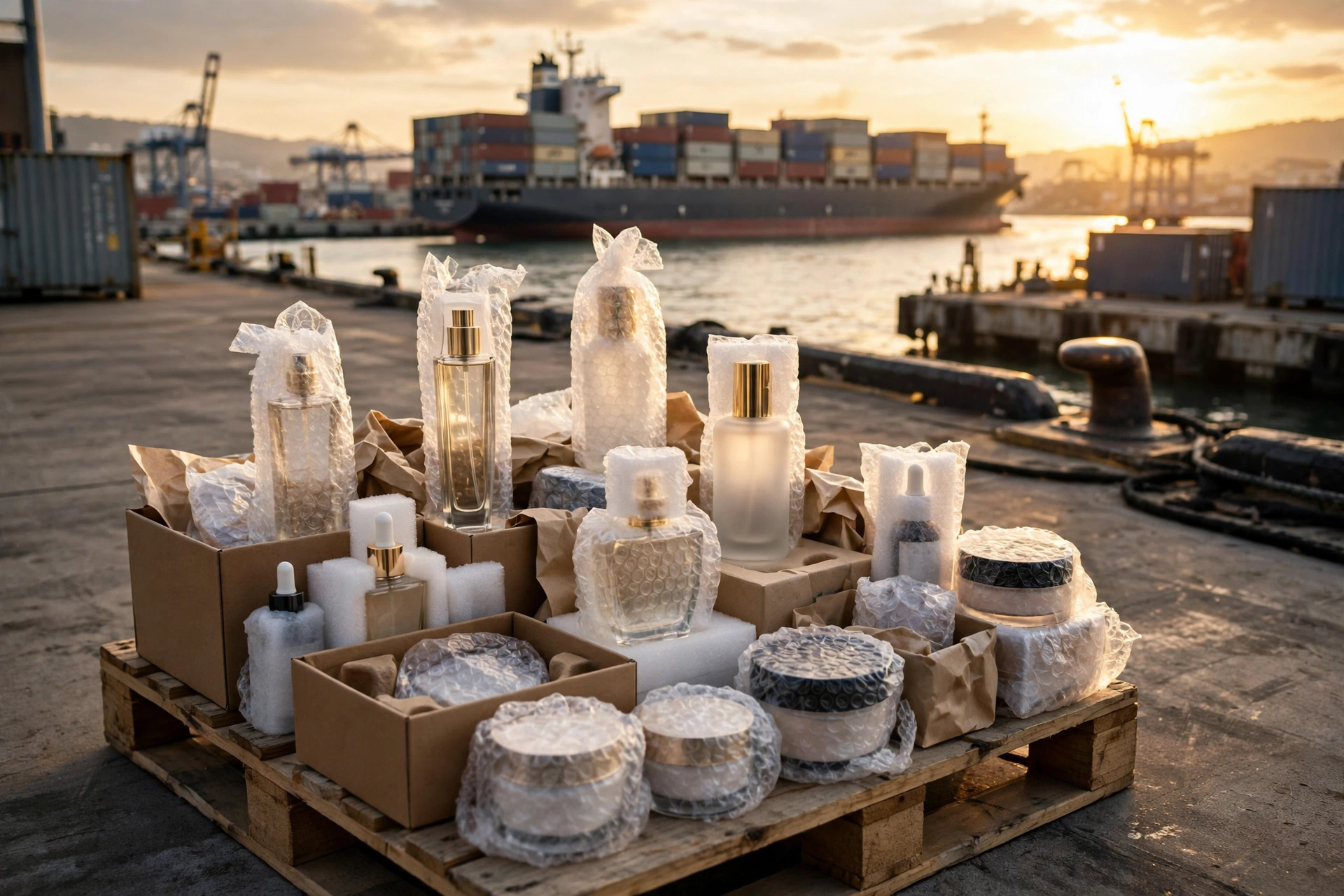
Saudi Arabia is a growing market for perfume and cosmetics from China, and most shipments travel by ocean to a Saudi port, with air used for smaller or urgent lots. Each product is reviewed on its own ingredients and packaging, so the shipment is best prepared product by product: what each item is, how it is packed, and what the carrier needs to see before accepting it.
Start with the product, not the destination
The first question is always what is in the product. Alcohol-based perfume is usually classified as UN1266, perfumery products, Class 3 flammable liquid, and the exact entry depends on the alcohol content and flash point. Creams and powders are often general cargo, while sprays and alcohol-based liquids are often dangerous goods.
Send the safety data sheet for each product before asking for a firm quote. A product list that only says perfume or cosmetics, without ingredients or alcohol content, will slow the review down, because the carrier cannot classify what it cannot see.
Packaging and leak prevention
Leakproof inner packaging is the baseline for liquid perfume and cosmetics. Bottles should be capped and sealed, packed upright with absorbent material, and placed in cartons strong enough to hold their weight if one bottle leaks.
Samples and commercial quantities are reviewed the same way, but the carrier may ask for photos of the packing before accepting a first shipment. Keep one packing method across the whole order so the carrier reviews a single, consistent setup.
Ocean and air options
Ocean freight under the IMDG Code is the usual mode for larger perfume and cosmetics shipments, because it accepts configurations that air cannot. Even so, acceptance is carrier-specific: the line checks the classification, packaging, stowage position and documentation before loading.
Air freight follows the IATA Dangerous Goods Regulations, and the limits are tighter than ocean. Quantity limits per package apply to flammable liquids, so check the air option before promising a date to the buyer.
Heat and handling on Gulf routes
Perfume and cosmetics are sensitive to heat during handling and storage, and Gulf routes add warm port and warehouse conditions to the plan. Ask the carrier about stowage and storage conditions for the shipment rather than assuming shaded storage is provided.
Keep the goods in their protective packaging through every handover. A carton left open in the sun at a transfer point is a handling problem the carrier will not take responsibility for.
Destination requirements in Saudi Arabia
Saudi Arabia applies its own import and product requirements to cosmetics, separate from the transport rules. The forwarder and the destination agent handle the arrival steps, but they need the same product and packaging data the ocean or air carrier used.
Confirm the destination requirements for the specific goods before dispatch. A document set that cleared another market does not automatically clear Saudi Arabia.
Related guides
- Shipping Perfume & Cosmetics from China: Complete Guide
- Perfume & Aerosol Shipping Review from China
- Perfume and Aerosols from China to the UAE: What to Check Before Booking
- Shipping Perfume from China to the USA: Quote and Route Checklist
- Liquid Cosmetics Freight from China to the USA
Official references
For a route-specific logistics review, provide the product, origin, destination, packed dimensions, weight and ready date.
Request a shipment review ↗Frequently asked questions
Is perfume from China to Saudi Arabia always dangerous goods?
Not always, but alcohol-based perfume usually is. Classification depends on the alcohol content and flash point of each product, so the carrier reviews the safety data sheet before deciding.
Can perfume ship by air to Saudi Arabia?
Some perfume can, under the IATA Dangerous Goods Regulations, but air is narrower than ocean and quantity limits apply. Confirm the air option with the carrier before planning around it.
What documents does a Saudi-bound perfume or cosmetics shipment need?
Carriers usually ask for a safety data sheet, the product list, the UN number and classification, and the packing details. Destination requirements depend on the exact products and route, so confirm the document list in writing with the forwarder before dispatch.