Energy Storage Battery System Shipping from China to the USA: From the System Record to the Cabinet Load and the Handover Read
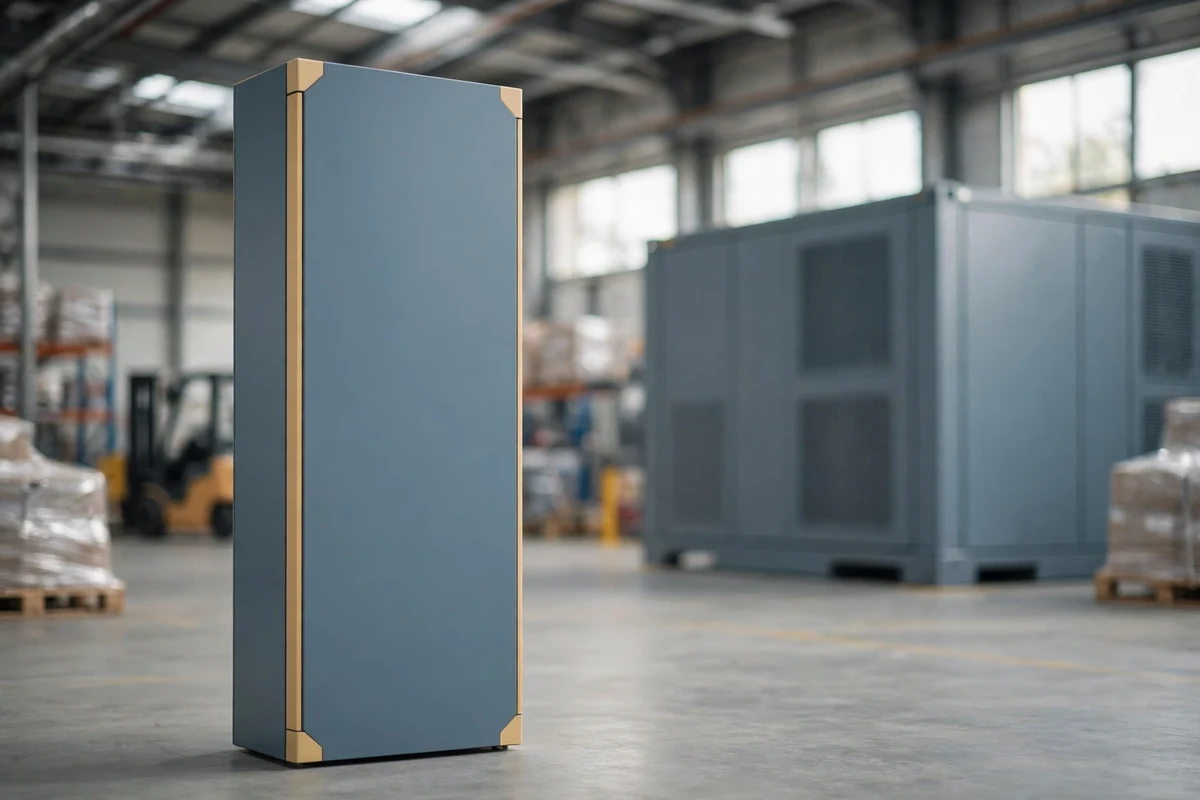
An energy storage system leaves China for the USA, and this guide walks the shipment with the system beside it: read the system, load the cabinets, settle the state of charge and the isolation, read the cabinet record beside the load, and hand the system over for handover read.
How to use this guide
This guide covers the energy storage battery system shipment only: reading the system, loading the cabinets, settling the state of charge and the isolation, reading the cabinet record beside the load, and handing the system over for the handover read. It does not repeat the portable power station checklist, which reads a portable station with no fixed system line beside it, or the lithium battery shipping checklist, which reads battery products with no system line beside it, or the battery air vs ocean guide, which reads the mode with no system line beside it.
Work through the five stages in order, and do not close the system record before the cabinet load read stands settled. A system record closed before the cabinets stand loaded may answer for cabinets the cabinet record never names. The system record, the cabinet record, the module record and the shipment read are the records the seller and the USA receiver read.
Each stage keeps a record: note the system record, the cabinet record and the module record drawn from them. A stage with no record is a stage the energy storage shipment cannot answer for.
Stage 1 — Reading the energy storage system before the load starts
Read the energy storage system from the goods the seller names for the USA receiver: name the system in plain words, name whether it is a residential wall-mounted system, a rack-mounted system or a commercial containerised system, name the battery modules inside each cabinet, name the inverter that travels with the system, and name the USA receiver the system travels to. A system read that names the kind, the modules, the inverter and the USA receiver reads beside the system record.
Where the system is a commercial containerised system, note it beside the system record, and name the cabinets inside it one by one. Where the system is a residential system, note the wall-mounted or rack-mounted kind beside the system record. Where the goods read as dangerous goods, note the safety data sheet beside the system record, and ask the carrier in writing which USA receiver the system answers for.
Stage 2 — Loading the battery cabinets and the containerised system
Load the battery cabinets from the system record: put each battery module in its cabinet where the system record names it, load each cabinet in the order the system record names, secure each cabinet with lashing and bracing where the system record names it, and note the cabinet count beside the cabinet record. A load that names the module, the cabinet, the lashing and the cabinet count reads beside the cabinet load record.
Where a cabinet travels inside a containerised system, note the container load beside the cabinet record, and ask the carrier in writing which container the cabinet answers for. Where a cabinet travels on its own, note the cabinet beside the cabinet record, and ask the carrier in writing for the load the cabinet answers for. Where the cabinets stand apart from one another, note the isolation between them beside the cabinet record.
Stage 3 — Settling the state of charge and the isolation
Settle the state of charge and the isolation from the system record: read the state of charge the system record names for each module, read the isolation the system record names between the modules and the inverter, and put the inverter papers beside the system record, so the inverter travels with the system it belongs to. A state of charge read that names the module, the isolation and the inverter reads beside the system record.
Where the state of charge reads differently from the system record, note the reading beside the cabinet record, and ask the carrier in writing for the state of charge the module answers for. Where the isolation reads open, note the reading beside the cabinet record. Where the inverter papers travel apart from the system record, note the papers beside the system record, and ask the carrier in writing for the inverter the system answers for.
Stage 4 — Reading the cabinet record beside the load
Read the cabinet record against the load: name the cabinet count the cabinet record carries, name the cabinet contents the cabinet record carries, name the battery module the cabinet record carries, and put the shipment read beside the cabinet record, so the cabinet record reads the cabinets the seller holds.
Read the shipment read beside the cabinet record: name the system the shipment read carries, name the USA receiver the shipment read carries, and name the cabinets the shipment read answers for. Where the cabinet record names cabinets the load never names, note the reading beside the cabinet record, and ask the carrier in writing for the cabinets the shipment answers for. Where the shipment read names a system the cabinet record never names, note the reading beside the shipment read.
Stage 5 — Handing the system over for the handover read
Hand the system over for the handover read: name the mode the shipment answers for, name the cabinets the shipment travels in, and note the handover beside the cabinet record. Read the handover, the mode and the cabinet record together, so each reads the system.
Where the system travels by ocean, note the container load beside the handover. Where the system travels by air, note the mode beside the handover, and ask the carrier in writing for the mode the system answers for. A handover with no cabinet record beside it reads as unconfirmed. Follow the state of charge read beside the handover, and put the isolation read beside the cabinet record.
Reading the system record, the cabinet load, the state of charge and the containerised system as one line from China to the USA
An energy storage battery system shipment with the system beside it is different from a battery product shipment with no system line beside it: the shipment travels with the system the seller names for the USA receiver. The system record names where the shipment starts, the cabinet record names what each cabinet answers for, the module record names the modules the cabinets hold, the shipment read names what the shipment answers for, and the handover read names how the shipment stays true, and the five are read together, with the seller beside the USA receiver.
The system record is set from the system the seller names for the USA receiver because a system record is not one record repeated: the system record the system reads in, the system record the cabinet load confirms beside the cabinet, and the system record the closed shipment read answers for. The system record names the system behind it.
The cabinet load is read against the system record, not instead of it: the cabinet load the shipment names, the cabinets the cabinet load carries, and the system record the cabinet load reads beside the cabinet record. Cabinets with no cabinet load read as a reply, not a shipment. The cabinet load is the record the shipment rests on, and the cabinet load is read beside the system record.
A single cabinet with no name reads as a single cabinet; the same unnamed cabinet at each energy storage shipment reads as a pattern, and a pattern asks a different question: what stands behind the cabinet. The reader notes the pattern on the cabinet record and names the cabinets that carry it, so the seller does not treat a pattern as single cabinets.
The state of charge is read beside the isolation, not instead of it: the state of charge as it stands, the isolation as it stands, and the inverter as it stands beside the system record. A state of charge read that names only the state of charge reads only the state of charge, and the isolation goes unread.
The containerised system is read beside the cabinets, not instead of them: the containerised system as it stands, the cabinets as they stand, and the modules as they stand beside the cabinet record. A containerised system read that names only the container reads only the container, and the cabinets go unread.
The system record, the cabinet record, the module record and the shipment read are read together. The energy storage shipment ties each cabinet to where the system starts, the cabinet record ties the cabinet to the module each cabinet record carries, the module record ties the shipment to the cabinets the load answers for, the shipment read and the handover read tie the shipment to the system that stands, and the state of charge read ties the shipment back to the modules the seller and the USA receiver read together. The record the handover leaves behind names the system, the cabinet record and the carrier note together. All five read together.
Which cabinet line to settle first when the cabinet record and the load read differently
A cabinet is settled against the system record; the load is closed when the seller and the USA receiver read the cabinet record together.
| Label | When it applies | What to do first |
|---|---|---|
| The cabinet record names a cabinet the load never names | The cabinet record and the load read differently | Read the cabinet record, the cabinet load and the system record together |
| The module record names a module the cabinet never holds | The module record and the cabinet record read differently | Read the module record, the cabinet contents and the cabinet record together |
| The state of charge reads differently from the system record | The state of charge and the system record read differently | Read the state of charge, the module record and the system record together |
| The isolation stands open between the modules and the inverter | The isolation leaves the system record with no isolation beside it | Read the isolation, the inverter papers and the system record together |
| The inverter papers travel apart from the system record | The inverter papers leave the system record with no inverter beside it | Read the inverter papers, the system record and the cabinet record together |
Why an energy storage battery system waits before the cabinet load read closes
Most holds come back to a few causes. A system record is sent with no cabinet count named, so the cabinet record reads with no cabinets to answer for. A state of charge is read with no isolation beside it. A cabinet record is read with no shipment read beside it.
The fix is the same in each case: name the cabinet count, name the state of charge and the isolation, and put the answer on the system record before the energy storage shipment is closed.
Next is a seller that names no carrier note, then a cabinet that reads only the system.
What this energy storage battery system shipping guide leaves open for the seller and the USA receiver
This guide cannot decide whether a carrier will carry a system the system record holds open: the carrier decides, and the seller confirms it.
It also cannot replace carrier or customs broker advice on a specific shipment. Where a carrier names a step this guide does not name, ask the carrier.
It also cannot say whether the system the cabinet record never read matches the system record.
FBA guides on this site
- Portable Power Stations from China to the USA: Large Lithium Battery Checklist
- Shipping Lithium Battery Products from China: Quote Checklist
- Air vs. Ocean Freight for Lithium Battery Products: Prepare the Right Data
- Shipping Standalone Lithium Batteries from China to the USA: Quote Data
- Consolidating Lithium Battery Products with Electronics: SKU-Level Review
- Dangerous Goods Air Freight Checklist: Documents, Packaging & Carrier Acceptance
Related guides
- Portable Power Stations from China to the USA: Large Lithium Battery Checklist
- Shipping Lithium Battery Products from China: Quote Checklist
- Air vs. Ocean Freight for Lithium Battery Products: Prepare the Right Data
- Shipping Standalone Lithium Batteries from China to the USA: Quote Data
- Consolidating Lithium Battery Products with Electronics: SKU-Level Review
- Dangerous Goods Air Freight Checklist: Documents, Packaging & Carrier Acceptance
Official references
- US Customs and Border Protection: Trade
- ICC: Incoterms 2020
- FIATA: International Federation of Freight Forwarders Associations
- IATA: Cargo
For a route-specific logistics review, provide the product, origin, destination, packed dimensions, weight and ready date.
Request a shipment review ↗Frequently asked questions
What should be read first when an energy storage battery system ships from China to the USA?
Read the system record first: name the system in plain words, name whether it is a residential wall-mounted system, a rack-mounted system or a commercial containerised system, name the battery modules inside each cabinet, and name the inverter that travels with the system, so the cabinet record reads beside the system record the seller holds.
How should the state of charge and the isolation be settled for an energy storage system?
Read the state of charge the system record names for each battery module, read the isolation the system record names between the modules and the inverter, and put the inverter papers beside the system record before the cabinets stand loaded.
What should be checked when the cabinet record and the load do not match?
Name the cabinet the cabinet record leaves open, read it against the system record and the module record, and ask the carrier in writing for it.