Ocean Freight Surcharges Checklist: Bunker, Peak Season, Congestion & Terminal Charges
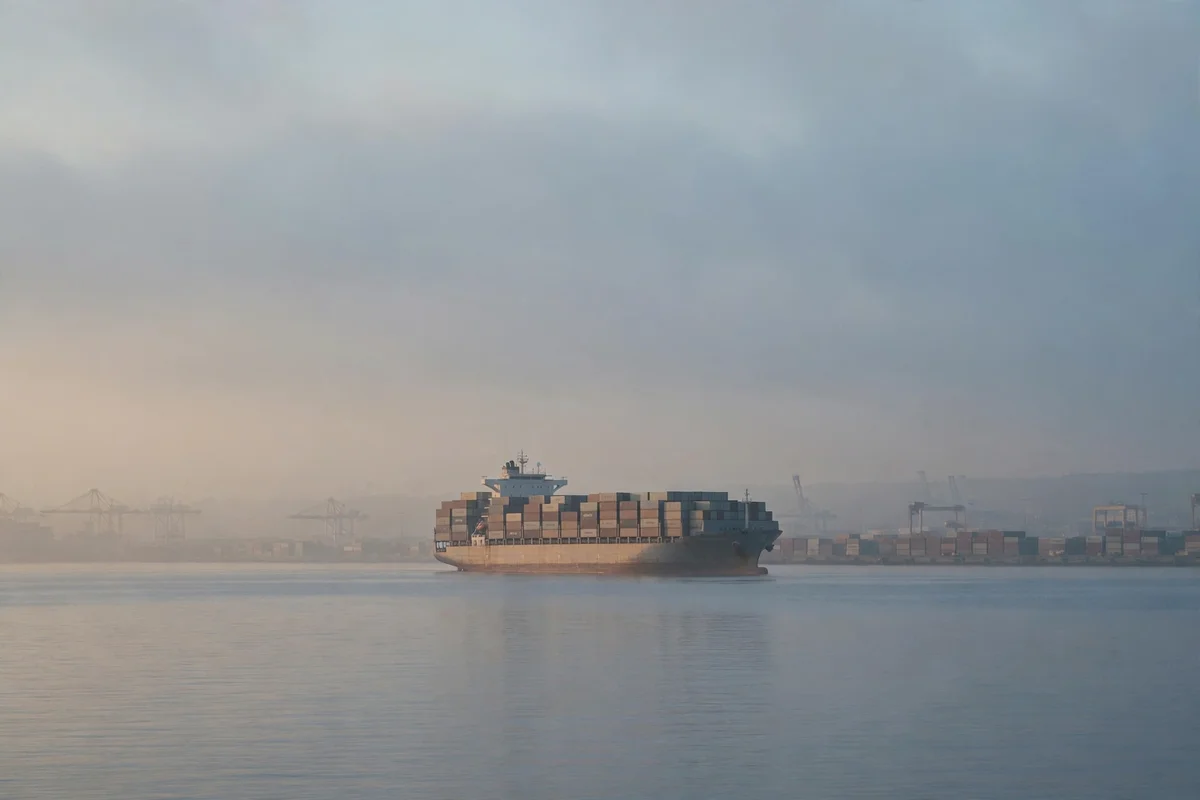
Before you book ocean freight, ask the carrier or forwarder to name every surcharge in writing: bunker, currency adjustment, peak season, port congestion, terminal handling, documentation, equipment imbalance and security. This checklist lists thirty surcharge names in four stages, so each one is asked about before booking.
How to use this checklist
This page lists surcharge names only, one by one: the fuel, seasonal, terminal, documentation, security and risk charges to ask the carrier or forwarder about before booking. It does not repeat the guide on comparing China freight quotes on this site, which compares whole quotes and explains why two quotes for the same shipment look different; this page is the item-by-item list to work through once a quote is in hand. It does not repeat the ocean freight booking checklist, which covers the booking and the carrier handover, or the freight forwarder selection checklist, which covers choosing the partner. Use this page to ask about charges, and use those pages to compare quotes, book the shipment and choose the forwarder.
Work through the four stages in order, with the quote open beside this page. Ask about each surcharge by name, and ask for the answer in writing: which surcharges apply to this shipment, who pays each one, and what each one covers. Where the quote shows a single all-in figure with no surcharge names, ask for the figure broken down line by line. Keep the written answers with the quote, so the invoice can be checked against them when it arrives. Ask the same list of names on every quote, so two quotes can be compared line by line instead of figure against figure.
A surcharge is a named charge added to the base ocean freight rate, and the names vary by carrier, route and port. The base rate covers the vessel space; the surcharges cover fuel, congestion, terminal handling, documentation, security and risk, among others. A quote that names none of them is not necessarily cheaper — it may simply leave them out. Ask for every surcharge by name before booking, and compare quotes on the same list of names.
Stage 1 — Fuel, bunker and currency
Stage 1 checks the fuel-linked charges and the currency charge: the bunker adjustment, the low-sulphur fuel charge and the currency adjustment. These are the charges most likely to move between the quote and the sailing, so each one needs a written answer about whether it is fixed for the booking or can change.
Ask who sets each charge and what it is based on — the vessel, the route, the container type or the currency. Where the quote shows a fuel charge, ask whether it is charged per container or per shipment, and ask which currency the quote is written in. Where the bunker charge can change, ask how the change is shown and who sends the notice. Keep the answers in writing with the quote.
Stage 2 — Season, congestion and capacity
Stage 2 checks the charges that follow demand and queues: the peak season surcharge, the port congestion surcharge and the equipment charges. These apply when demand is high, when a port is congested or when equipment is short, so ask which ports and which sailings each one applies to.
Ask for each charge whether it applies to this shipment or only to shipments on a different sailing or through a different port. Where a congestion charge applies at a transhipment port, ask for it by name too — a charge at the transhipment port is easy to miss when the quote only names the load port and the discharge port.
Stage 3 — Terminal, handling and documents
Stage 3 checks the charges at the terminal and for the paperwork: the terminal handling charges at both ends, the documentation fee and the filing fees. These are charged at the origin, at the destination or at both, so ask which end each charge covers and who pays it.
Ask for the terminal handling charge at the load port and at the discharge port as separate lines, and ask which documents each documentation fee covers. Where the bill of lading is issued as a telex release, ask for that fee by name as well, and ask whether any filing fee applies to the manifest for this shipment.
Stage 4 — Security, risk and final charges
Stage 4 checks the security and risk charges and the charges that follow the container after discharge: the security surcharge, the war risk surcharge, demurrage, detention and storage. Ask for each one before booking, and ask for the free time that runs before the container charges start.
Ask whether the route carries a security or war risk charge, and ask how long the free time runs at the destination terminal before demurrage and detention start. Ask for demurrage and detention as separate lines, since one covers the container at the terminal and the other covers the container outside it. Where the quote shows no security or risk charge, ask for that in writing too — an absent charge is worth confirming, not assuming.
Which surcharge group needs a written answer before booking?
Every surcharge group needs a written answer, but the question to ask differs by group. Fuel and currency charges move; seasonal and congestion charges depend on the sailing and the port; terminal and document charges sit at one end or the other; security and risk charges follow the route. Ask the question that fits the group. A group with no written answer is a group to ask about again before booking.
| Group | When it applies | What to ask before booking |
|---|---|---|
| Fuel and currency | Bunker, low-sulphur fuel and currency adjustment charges move with fuel and exchange rates | Ask whether each charge is fixed for the booking or can change, and who confirms the figure |
| Season and congestion | Peak season and port congestion charges apply when demand is high or a port is queued | Ask which ports and which sailings each charge applies to |
| Terminal and documents | Terminal handling and documentation fees sit at the load port, the discharge port or both | Ask which end each fee covers, and who pays it |
| Security and risk | Security and war risk charges follow the route and the ports it passes through | Ask whether the route carries either charge, and who confirms it |
Common reasons surcharges surprise shippers
Most surprises share the same few causes. The quote showed a single all-in figure with no surcharge names, so the surcharges appeared on the invoice as separate lines. The congestion charge applied at the transhipment port, which the quote never named. The bunker charge moved between the quote and the sailing, and the quote never said whether it was fixed. The terminal handling charge at the destination was left out of a quote written for the origin only. The documentation fee covered only the origin documents, while the destination documents were charged separately.
The fix is the same in each case: ask for every surcharge by name before booking, get the answers in writing, and compare quotes on the same list of names. Where a quote will not break the figure down line by line, treat the missing lines as a question, not as a saving. Keep the written answers with the quote, and check the invoice against them line by line when it arrives.
What this checklist cannot decide
This checklist cannot decide the ocean freight rate, or whether a surcharge applies to a given shipment: those follow the carrier, the route, the port and the booking. It cannot predict congestion, peak season or a change in fuel charges: those follow demand, queues and the market. It cannot decide whether a shipment should move by sea or by air: that follows the cargo, the schedule and the budget.
It also cannot replace the carrier's or the forwarder's written confirmation on a specific booking. Where a surcharge is disputed, the invoice does not match the quote, or a charge appears that was never named, ask the carrier or forwarder in writing before paying, and keep the answer in the file. It cannot settle a dispute about a charge that was never named on the quote: that follows the written answers the carrier or forwarder gave before booking. It cannot clear goods that customs has not released, and it cannot change a charge after the invoice is issued without the agreement of the party that issued it.
Ocean freight surcharge guides on this site
- Comparing China Freight Quotes: Hidden Costs to Check Before You Book
- Ocean Freight Booking Checklist: FCL, LCL & Carrier Handover
- Freight Forwarder Selection Checklist: Credentials, Quotes, Service & Contract
- International Shipping Documents Checklist: Export, Transport & Customs Clearance
- Incoterms 2020 Comparison Table: All 11 Rules at a Glance
Related guides
- Comparing China Freight Quotes: Hidden Costs to Check Before You Book
- Ocean Freight Booking Checklist: FCL, LCL & Carrier Handover
- Freight Forwarder Selection Checklist: Credentials, Quotes, Service & Contract
- International Shipping Documents Checklist: Export, Transport & Customs Clearance
- Incoterms 2020 Comparison Table: All 11 Rules at a Glance
Official references
- US Customs and Border Protection: Trade
- ICC: Incoterms 2020
- FIATA: International Federation of Freight Forwarders Associations
- IATA: Cargo
For a route-specific logistics review, provide the product, origin, destination, packed dimensions, weight and ready date.
Request a shipment review ↗Frequently asked questions
What is the difference between a surcharge and the base ocean freight rate?
The base ocean freight rate covers the vessel space for the container. A surcharge is a named charge added to that rate for fuel, congestion, terminal handling, documentation, security or risk. The rate and the surcharges are separate lines: a low base rate with unnamed surcharges can cost more than a higher base rate with every surcharge named. Ask for each surcharge by name, and compare quotes on the same list of names.
Which surcharges should I ask about before I book?
Ask about all four groups: fuel and currency, season and congestion, terminal and documents, and security and risk. That covers the bunker adjustment, the currency adjustment, the peak season and port congestion surcharges, the terminal handling charges at both ends, the documentation and filing fees, and the security and war risk surcharges. Start with the bunker and currency charges, then the seasonal and congestion charges, then the terminal and document charges, and finish with the security and risk charges. Ask for the full list in writing, and ask for a written statement that the list is complete.
Can a surcharge change after I book?
Some surcharges are fixed for the booking and some follow the carrier's notices, so ask which ones are fixed before booking and get the answer in writing. Where a surcharge can change, ask who confirms the change and how it is shown on the invoice. Keep the written answers with the quote, and check the invoice against them line by line when it arrives.