Shipping from China to Europe: Complete Guide
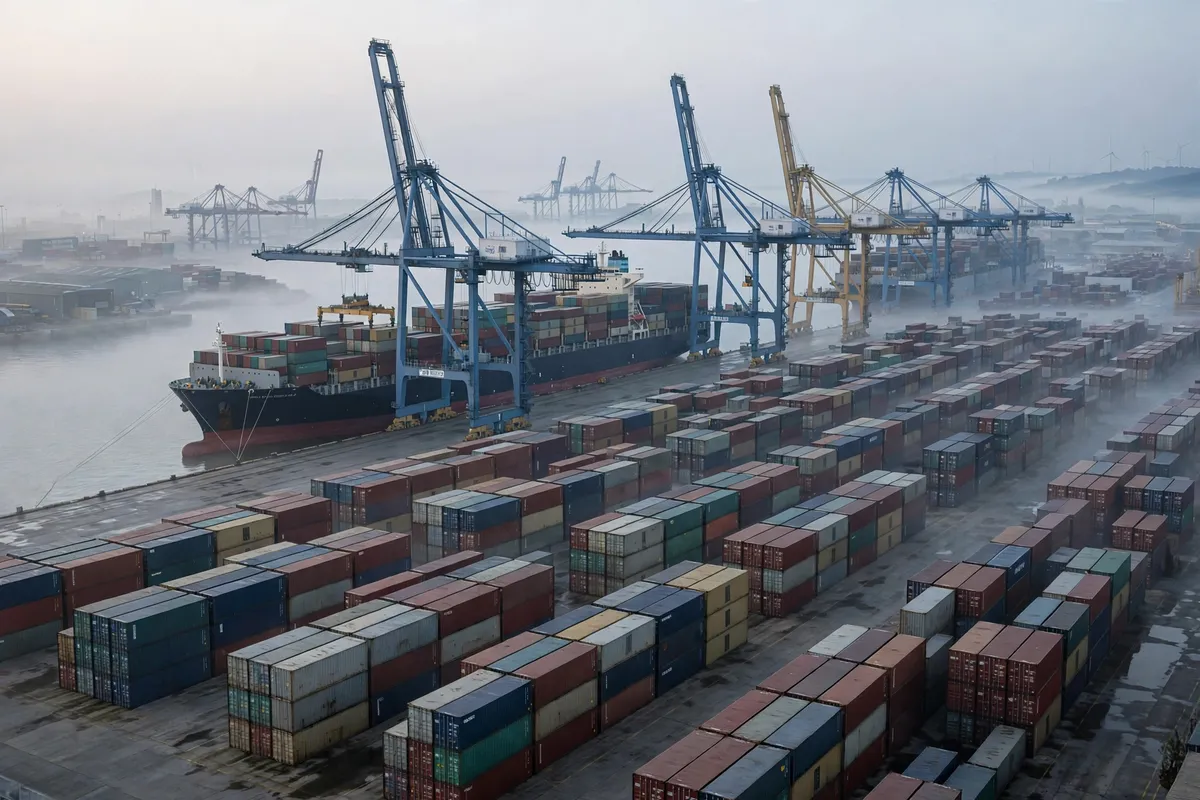
Shipping from China to Europe is a product-first decision. Ocean and air options, EU customs documents and carrier acceptance all depend on the goods, the route and the carrier, so a shipment review starts with the product, its packaging and its ready date, with requirements confirmed in writing before booking.
1. Start with the shipment, not the quote
A usable route review starts with the goods themselves. Share the exact product name, the material and form, the packed dimensions and gross weight of each carton, the total carton count, and whether the goods are palletized. Add the origin city, the destination country and city, the cargo-ready date, and any handling notes such as fragility, temperature sensitivity or orientation marks. A forwarder works from this data, not from a category label, because two shipments described as the same product can need different handling, documents and carrier review.
The same product-first rule applies to documents. A commercial invoice and a packing list are the usual starting point for a Europe-bound shipment, and regulated goods may also need a safety data sheet, a classification note or other product records. Destination requirements depend on the exact product, so ask the forwarder for the current document list for the intended mode and destination, and confirm it in writing rather than assuming one set of papers covers every case. Keep a copy of every document the forwarder and broker ask for, and check that names, quantities and weights agree across the invoice, the packing list and the booking before the cartons leave the warehouse.
2. Ocean or air: how the choice is made
Ocean freight and air freight suit different shipments, and the choice is made from the goods, the route and the timing the buyer needs. Ocean containers carry larger volumes and heavier loads, while air freight suits smaller, lighter or more urgent consignments. Neither mode is right for every product: regulated goods face stricter limits by air under the IATA Dangerous Goods Regulations, and ocean shipments follow the IMDG Code. The forwarder reviews the mode against the product before proposing a route.
Timing and cost are quoted per shipment, not published as standard figures, because they depend on the route, the carrier, the season and the cargo. A quote is an estimate for the stated goods and route, and it is not a booking or a promise of space. Ask the forwarder to confirm the service scope, the schedule that applies to the booking, and any restrictions in writing before dispatch.
3. EU customs and documents in general terms
Europe-bound goods clear customs on the strength of their paperwork. The commercial invoice states the product, value and parties; the packing list states what is in each carton; and the classification of the goods decides which additional records apply. EU importers generally need an EORI number for customs declarations, and the importer of record carries responsibility for the declaration, so the data on the documents must match the goods in the cartons. Customs practice can differ by destination country even inside the EU, because the port, the broker and the receiving warehouse each apply their own checks, so the forwarder confirms the destination steps with the local agent before the goods are dispatched.
Some shipments need more than the standard papers. Lithium batteries may need a UN 38.3 test summary, flammable goods may need a safety data sheet and a dangerous goods declaration, and plant products such as dried flowers and botanicals may need plant-health checks. Ask the forwarder and the customs broker which documents apply to the exact product, and keep the invoice, packing list and product records consistent with each other before the goods leave China.
4. Batteries and the EU Battery Regulation
Batteries are the most reviewed cargo on this route. Lithium-ion batteries shipped on their own are usually UN3480, batteries contained in equipment are usually UN3481, and battery-powered vehicles and equipment such as e-scooters are usually UN3171. Standalone lithium-ion batteries shipped by air are subject to a 30% state-of-charge limit under packing instruction PI965. The EU Battery Regulation (EU) 2023/1542 sets rules for batteries placed on the EU market, including producer duties, and the shipment still needs its own classification, packaging and carrier review.
The regulation does not replace the transport review. Ask the forwarder how the regulation applies to the exact product and route, and share the battery chemistry, watt-hour rating, configuration and available UN 38.3 test summary with the first enquiry. Acceptance depends on the exact goods, route and carrier, and must be confirmed in writing before booking.
5. Special cargo: aerosols, paint and general cargo
Aerosols and paint need a classification review before any route is proposed. Both are usually Class 3 flammable liquid in general terms, and the exact classification depends on the formulation, the propellant and the packaging, so the safety data sheet is part of the first enquiry. The carrier reviews the product, the packing and the mode together, and acceptance is confirmed in writing rather than assumed.
Not every product on this route is regulated. Solar panels, LED lighting, candles and furniture are general cargo, not dangerous goods, though oversized pieces still need packing and loading plans. Dried flowers and botanicals are a separate case: the species and the destination plant-health rules decide the documents, so share the species name and the intended use with the forwarder early.
6. How to request a route review
A route review is a data exchange. Provide the product name and description, packed dimensions and gross weight per carton, carton count and pallet details, origin and destination, cargo-ready date and preferred mode, plus photos and any safety data sheets or test summaries already available. The forwarder checks the options for the stated route and returns a quotation with the service scope and the documents it needs.
Treat the quotation as a proposal, not an approval. Ask the forwarder to confirm acceptance, required documents, packaging, service scope and any restrictions in writing before booking. If the product, quantity or ready date changes after the quotation, share the update at once, because a change in the goods can change the classification, the mode and the carrier that can take the shipment.
7. Destination handling: what happens after arrival
Arrival is not the end of the shipment. The goods clear customs at the destination port or airport, and the importer of record, or the customs broker acting for the importer, presents the declaration and the supporting documents. If the documents and the goods do not match, the shipment can be held for inspection, so the invoice, packing list and classification records should be checked against the cartons before dispatch, not after arrival. Delivery after clearance depends on the destination: port pickup, onward trucking or rail, and warehouse receiving each need their own booking, and the forwarder confirms the onward leg with the destination agent before the goods arrive.
Storage and onward transport are part of the same plan. If the destination warehouse cannot receive the goods on the arrival date, the cartons may need short-term storage, and storage terms should be agreed before dispatch rather than arranged at the port. Share the delivery address, the receiving hours, any access limits and the contact person with the forwarder, and ask for the onward transport and delivery confirmation in writing alongside the main route quotation, so the whole journey is covered by one agreed plan.
Europe shipping guides
- Aerosols from China to Europe: Classification, Packaging and Carrier Review
- Dried Flowers and Botanicals from China to Europe: What to Check Before Shipping
- Lithium Batteries from China to Europe: Ocean, Air and Road Handover Checklist
- E-Scooters from China to Europe: Battery-Powered Vehicle Checklist
- Paint and Coatings from China to Europe: Classification, Packaging and Carrier Review
- Solar Panels from China to Europe: Oversized Packing and Container Loading Checklist
Related guides
- Shipping Lithium Battery Products from China: Quote Checklist
- Battery & Electronics Shipping from China
- Sensitive Cargo Shipping from China
Official references
For a route-specific logistics review, provide the product, origin, destination, packed dimensions, weight and ready date.
Request a shipment review ↗Frequently asked questions
What data does a Europe route review need?
Share the exact product name and description, packed dimensions and gross weight per carton, carton count and pallet details, origin and destination countries, cargo-ready date and preferred mode, plus photos and any safety data sheets or test summaries available. The forwarder checks options for the stated route from this data.
Do EU battery rules change how a battery shipment is booked?
The EU Battery Regulation (EU) 2023/1542 sets rules for batteries placed on the EU market, and the shipment still needs its own classification, packaging and carrier review. Ask the forwarder how the regulation applies to the exact product and route, and confirm acceptance in writing.
Does a quotation mean the shipment is approved?
No. A quotation is an estimate for the stated goods and route, not a booking or a promise of space. Ask the forwarder to confirm acceptance, required documents, packaging, service scope and any restrictions in writing before dispatch.