Air Freight Transshipment and Connecting Flights Guide: From the First Leg to the Transit Airport Handover and the Onward Leg
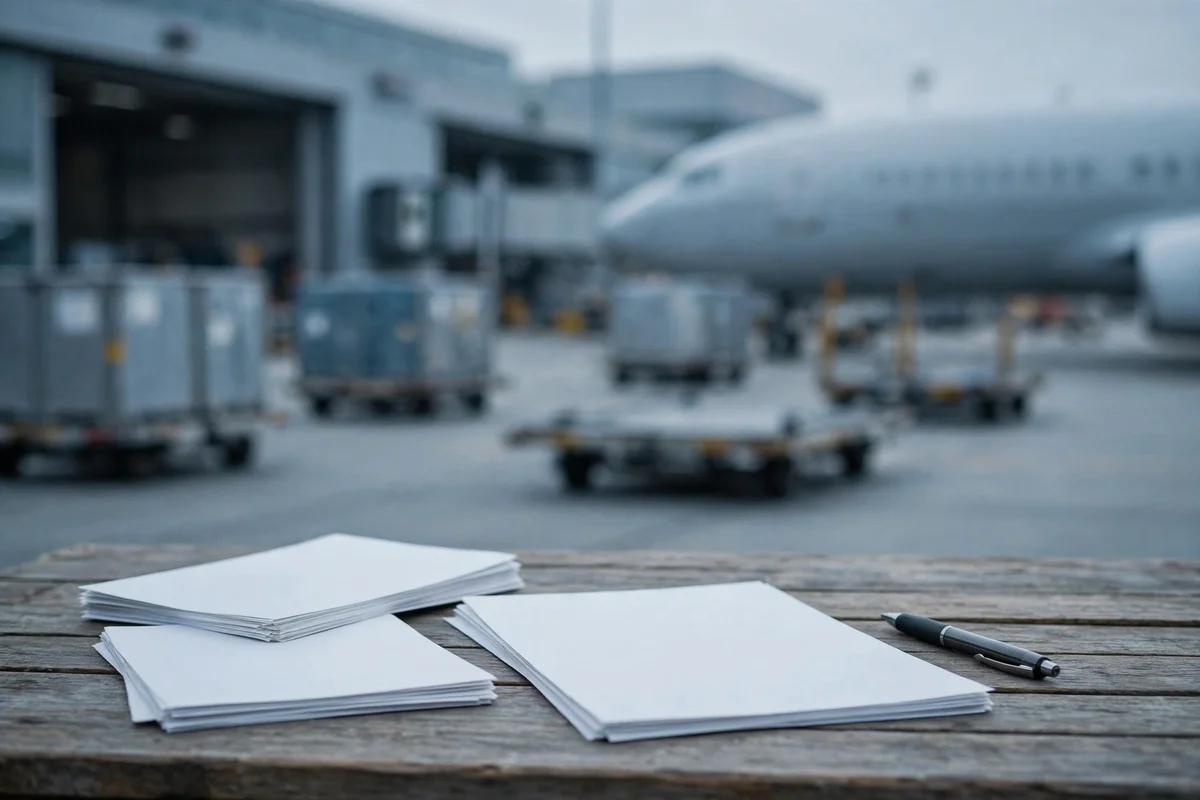
The goods leave China on one flight, change aircraft at a transit airport, and travel onward on a connecting flight, and this guide walks through the transshipment: read the first leg, the transit airport handover, the through air waybill, the onward leg, and the final delivery at the destination.
How to use this guide
This guide covers the China to the USA air freight transshipment only: reading the first leg, the transit airport handover, the through air waybill, the onward leg and the final delivery at the USA destination. It does not repeat the air freight page that reads the direct or connecting choice, or the China to USA air freight page that reads the space allocation and the air waybill, or the air freight from China page that reads the cargo and the route, or the air freight consolidation page that reads the loose cartons and the waybill split, or the air freight or ocean freight comparison, or the dangerous goods air freight page.
Work through the five stages, and do not close the transit airport handover before the through air waybill stands settled. A handover closed before the waybill stands settled may answer for goods the onward leg never carries. The first leg, the transit airport handover, the through air waybill, the onward leg and the final delivery are the records the seller and the USA receiver read.
Each stage keeps a record: note the first leg, the handover and the onward leg from them. A stage with no record is a stage the transshipment cannot answer for.
Stage 1 — Reading the first leg before the transit airport handover
Read the first leg first: the goods leave China on a flight, and the first leg names the flight, the carrier and the transit airport. Where the first leg is a direct flight, the goods travel to the USA destination with no transit airport. Where the first leg is a connecting flight, the goods travel to the transit airport, and the transit airport names the handover the goods answer for.
Name the through air waybill beside the first leg: one through air waybill covers the first leg and the onward leg, so the goods travel under one waybill to the USA destination. Where the waybill names no transit airport, ask the carrier in writing which transit airport the first leg answers for.
Stage 2 — Reading the transit airport and the transit handling
Read the transit airport as the handover: the goods leave the inbound aircraft, pass the transit handling, and move to the onward aircraft. The transit handling names the ULD the goods travel in, the transit check the goods pass, and the screening the goods answer for. Where the goods travel as dangerous goods, note the dangerous goods beside the transit handling, and ask the carrier in writing which transit line the goods answer for.
Where the transit handling holds the goods, note the transit hold beside the through air waybill, and ask the carrier which hold the goods answer for. A transit hold with no record beside it reads as unconfirmed, and the onward leg cannot close.
Stage 3 — Reading the through air waybill, the house air waybill and the master air waybill at transit
Read the through air waybill at the transit airport: it names the first leg, the transit airport, the onward leg and the USA destination, so one waybill answers for the transshipment. Where the goods travel under a master air waybill and a house air waybill, read the split beside the through air waybill: the master air waybill names the carrier handover, and the house air waybill names the goods the USA receiver answers for.
Read the waybill number beside the transit handling: the waybill number the transit airport reads, the goods the waybill number answers for, and the onward carrier the waybill names. Where the waybill number and the transit handling read differently, ask the carrier in writing which waybill number the goods answer for.
Stage 4 — Reading the onward leg, the connecting flight and the final delivery
Read the onward leg beside the first leg: the onward leg names the connecting flight, the onward carrier and the USA destination, so the goods travel from the transit airport under the same through air waybill. Where the onward leg names a different carrier from the first leg, note the interline beside the onward leg, and ask the carrier which carrier the onward leg answers for.
Read the final delivery beside the onward leg: the goods leave the onward aircraft, pass the customs check at the USA destination, and travel to the USA receiver. Where the customs check and the import declaration read differently, ask the customs broker which line the goods answer for. A delivery with no import declaration beside it reads as unconfirmed.
Stage 5 — Reading the missed connection, the transit hold and the recovery leg
Read the missed connection line beside the onward leg: where the first leg arrives with the connecting flight gone, the goods wait at the transit airport, and the missed connection names the onward leg the goods answer for next. Note the missed connection beside the through air waybill, and ask the carrier in writing which onward flight the goods answer for.
Read the recovery leg beside the missed connection: the recovery leg names the next onward flight, the transit airport the goods wait at, and the USA destination. Where no recovery leg stands open, ask the carrier for the alternative routing the goods answer for. A transshipment with no recovery leg beside the missed connection reads as open.
Reading the first leg, the transit airport handover, the through air waybill, the onward leg, the missed connection line and the final delivery as one line from China to the USA
An air freight transshipment is different from a shipment with no transit airport beside it: the goods travel with the first leg the carrier names for China to the USA, and the goods are read through the transit airport handover. The first leg names where the transshipment starts, the transit airport handover names where the goods change aircraft, the through air waybill names the waybill the goods travel under, the onward leg names where the goods travel next, the missed connection line names the hold at transit, and the final delivery names how the transshipment stays true, and the six are read together beside the seller and the USA receiver.
The first leg is set from the goods the seller names for the USA: the first leg the goods read in, the first leg the transit airport handover confirms beside the through air waybill, and the first leg the final delivery answers for.
The through air waybill is read against the first leg: the waybill the transshipment names, the goods the waybill carries, and the transit airport beside the onward leg. Goods with no waybill read as a reply, not as a shipment. The through air waybill is the record the transshipment rests on.
A single carton with no transit record reads as a single carton; the same carton at the transit airport reads as a pattern, and a pattern asks a different question: what stands behind the handling. The reader notes the pattern on the through air waybill, so the seller does not treat a pattern as single cartons.
The transit airport handover is read beside the through air waybill: the transit airport handover as it stands, the waybill as it stands, and the goods as they stand beside the transit airport handover. A handover that names only the first leg reads only the first leg, and the onward leg goes unread.
The missed connection line is read beside the onward leg: the missed connection the goods answer for, the recovery leg the missed connection names, and the alternative routing beside the recovery leg. A missed connection with no recovery leg beside it reads as a leg the onward carrier cannot close, and the seller settles it with the carrier in writing.
The final delivery stands beside the onward leg: the delivery the transshipment names, the goods the delivery answers for, and the receiver the delivery rests on. The delivery is read against the first leg the through air waybill confirmed, and the settlement stands on the customs broker note in writing.
The first leg, the transit airport handover, the through air waybill, the onward leg, the missed connection line and the final delivery are read together. The transshipment ties each carton to where the transshipment starts, the through air waybill ties the carton to the goods each onward leg carries, and the DDP or DAP line ties the transshipment back to the import settlement the seller and the USA receiver read together. Where any link in that line is missing, it is settled with the customs broker in writing. All six read together.
Which transshipment line to settle first when the transit airport handover and the through air waybill do not match
A transshipment line is settled against the through air waybill; the transshipment closes when the seller and the USA receiver read it together.
| Difference found | When it applies | What to do first |
|---|---|---|
| The waybill names a transit airport the first leg never names | The waybill and the first leg read differently | Read the waybill, the first leg and the transit airport together |
| The onward leg names a carrier the through air waybill never names | The onward leg and the waybill read differently | Ask the carrier in writing which carrier the onward leg answers for |
| The transit handling names goods the through air waybill never names | The transit handling and the waybill read differently | Read the transit handling, the waybill and the transit check together |
| The missed connection names an onward flight the carrier never names | The missed connection and the carrier read differently | Ask the carrier in writing which onward flight the goods answer for |
| A carton stands with no transit record beside it | The carton leaves transit with no transit record beside it | Read the carton, the transit record and the through air waybill together |
Why an air freight transshipment waits at the transit airport before the onward leg closes
Most holds come back to a few causes. A first leg is read with no transit airport named, so the through air waybill reads with no transit airport. A transit handling is read with no transit record beside it, so it reads only the handling. A missed connection is read with no recovery leg beside it, so it reads only the missed connection.
The fix is the same in each case: name the transit airport, the transit record and the through air waybill, and put the answer on the through air waybill before the transshipment is closed.
Next is a seller that names no customs broker note for a transshipment the through air waybill names, then a carton that reads only the first leg.
What this air freight transshipment and connecting flights guide leaves open for the seller and the USA receiver
This guide cannot decide whether a carrier will carry a transshipment the transit airport holds open: the carrier decides, and the seller confirms it.
It also cannot replace carrier or customs broker advice on a specific transshipment. Where a carrier names a step this guide does not name, ask the carrier.
It also cannot say whether the goods the customs check never read match the through air waybill.
Air freight guides on this site
- Air Freight Booking Checklist: Direct, Consolidated & Carrier Handover
- China to USA Air Freight Booking and Surcharges Guide: From the Booking Request to the Surcharge Breakdown and the Air Waybill
- Air Freight from China: Complete Guide
- Air Freight Consolidation Guide: From the Loose Cartons to the ULD Build-Up and the House Air Waybill Split
- Air Freight or Ocean Freight from China to the USA: How to Compare
- Dangerous Goods Air Freight from China: Complete Guide
Related guides
- Air Freight Booking Checklist: Direct, Consolidated & Carrier Handover
- China to USA Air Freight Booking and Surcharges Guide: From the Booking Request to the Surcharge Breakdown and the Air Waybill
- Air Freight from China: Complete Guide
- Air Freight Consolidation Guide: From the Loose Cartons to the ULD Build-Up and the House Air Waybill Split
- Air Freight or Ocean Freight from China to the USA: How to Compare
- Dangerous Goods Air Freight from China: Complete Guide
Official references
- US Customs and Border Protection: Trade
- ICC: Incoterms 2020
- FIATA: International Federation of Freight Forwarders Associations
- IATA: Cargo
For a route-specific logistics review, provide the product, origin, destination, packed dimensions, weight and ready date.
Request a shipment review ↗Frequently asked questions
What should be read first when air freight travels on a connecting flight to the USA?
Read the first leg first: the flight, the carrier and the transit airport the goods travel to, and the through air waybill that covers the first leg and the onward leg, so the goods travel under one waybill to the USA destination.
How should the through air waybill be read at the transit airport?
Read it against the first leg and the onward leg: the transit airport the waybill names, the goods the waybill carries, and the onward carrier the waybill names for the connecting flight, so one waybill answers for the transshipment.
What should be checked when the connecting flight is missed at the transit airport?
Name the missed connection, read it against the waybill, and ask the carrier for the recovery leg and the alternative routing the goods answer for.