Sea Freight from China: Complete Guide
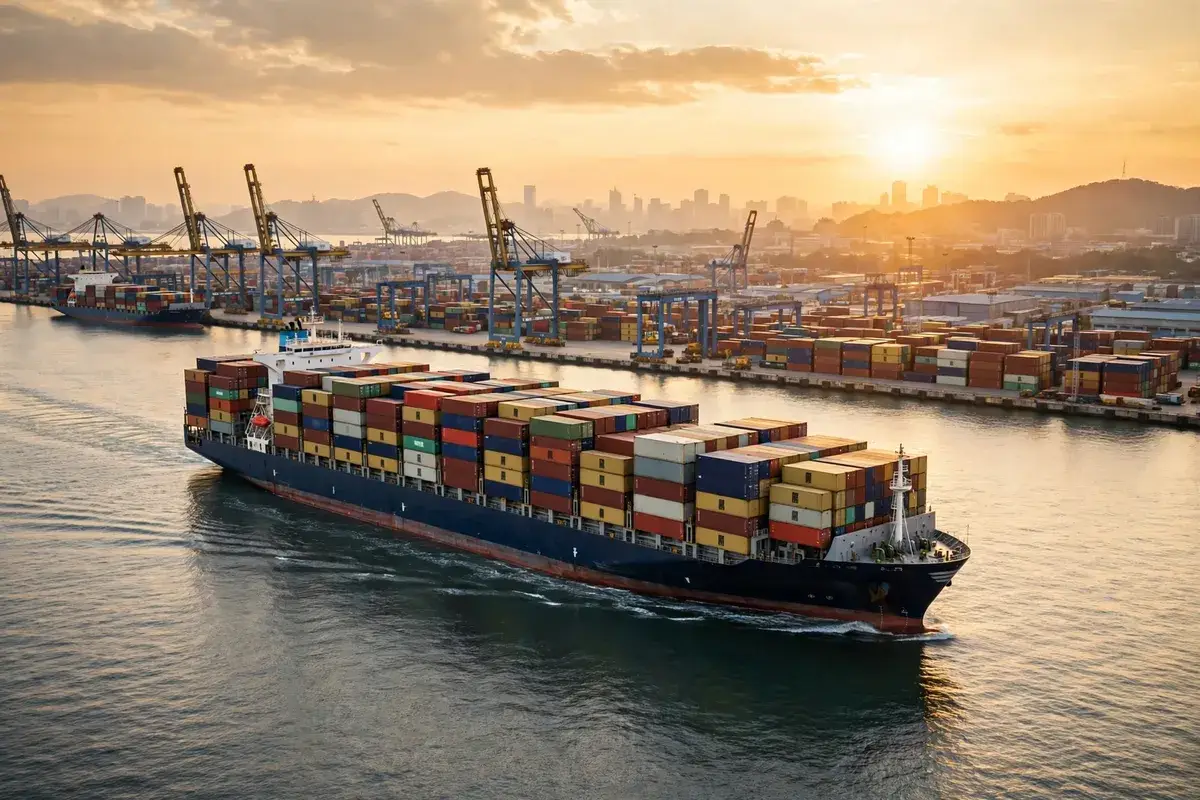
Sea freight from China is the default choice for most containerized imports, but a smooth sailing depends on decisions made before booking: container size, loading plan, documents and port handling. This guide walks through each step in general terms, so you can prepare a complete review request.
1. Start with the cargo, not the sailing
Sea freight covers full-container (FCL) and consolidated (LCL) sailings from China load ports to overseas discharge ports. The carrier moves the box; the shipper and importer handle everything around it: packing, documents, customs, port pickup and onward delivery. The right setup starts with the cargo itself: what it is, how it is packed, its dimensions and gross weight, and whether it needs special handling such as refrigeration or dangerous-goods review.
A review request needs the same data every time: product description, origin and destination, packed dimensions and weight, ready date, and whether the goods are regulated. Rates, space and timing depend on the exact goods, route and carrier, and must be confirmed in writing for the specific shipment; a general estimate is not a booking and not carrier acceptance.
2. FCL or LCL: how the choice is made
FCL means one importer's cargo fills a container — a 20-foot or 40-foot box, chosen by cargo volume and weight rather than by habit. LCL means the cargo shares a container with other shippers' goods, consolidated at a container freight station (CFS); the shipper pays for the space used, measured in cubic metres (CBM), and the cargo is received and loaded under a CFS cutoff. The choice turns on volume, handling sensitivity, and how much control the importer wants over loading and timing.
Neither option is better in the abstract. A small shipment can cost more per unit as LCL because of handling and destination charges, while a half-empty FCL wastes space the importer still pays for. Compare the full scope — origin handling, ocean leg, destination charges and onward delivery — before deciding, and ask what each charge covers rather than comparing a single line.
3. Booking, cutoffs and documents in general terms
An ocean booking reserves space on a named vessel and sailing, but it is a plan until the carrier confirms it in writing. Three cutoffs usually govern the process: the shipping-instructions (SI) cutoff for document data, the VGM cutoff for the verified gross mass of the packed container, and the cargo cutoff for physical receipt at the terminal or CFS. Missing a cutoff can push the booking to a later vessel — a rollover — so the importer should confirm each cutoff and what happens if it slips.
The core documents are the commercial invoice, packing list, bill of lading and, for US-bound ocean freight, the ISF 10+2 filing. The bill of lading can take several forms — original, sea waybill or express release — and the choice affects who can take delivery at destination. Check the draft carefully: consignee and notify party, port names, container numbers and cargo description must match the shipment, because corrections after the vessel sails are slow and costly.
4. At the port: release, pickup and storage
Arrival does not mean delivery. The container becomes deliverable only after both customs release and carrier release are in place, and the two do not always arrive together; an arrival notice from the carrier or forwarder is the trigger to check both. The importer should confirm who holds the bill of lading, what fees are outstanding, and which release is still pending before booking a pickup.
Pickup itself needs an appointment, a chassis where required, and the container number confirmed in advance. From the port, the box may go direct to the importer, be transloaded into a domestic trailer, or move by LTL to a warehouse. Free time at the terminal is limited: demurrage covers the container sitting at the port, detention covers it held outside the port, and CFS storage can add further charges — so the receiving plan should be settled before the vessel arrives, not after.
5. Special cargo on ocean routes
Regulated goods change the process. Lithium batteries travel under dangerous-goods rules; whether a battery ships as a standalone unit, packed with equipment or contained in equipment decides the classification and the data the carrier needs, and acceptance depends on the exact product, route and carrier. Aerosols, perfume and other flammable liquids need the same product-by-product review, and some goods are simply not accepted on some routes or carriers.
Other cargo needs practical care rather than permits. Refrigerated (reefer) containers need a setpoint and ventilation plan agreed before loading; moisture can damage cargo inside a steel box, so condensation prevention starts with packing and loading; wood packaging must meet ISPM 15 marking rules; oversized cargo needs exact dimensions for a project quote. In every case, the details the carrier asks for are the details that decide acceptance.
6. How to request a route review
A useful review request reads like a shipment file, not a question: product and packing, origin and destination, dimensions and gross weight, ready date, container preference, and any regulation that may apply. With that data, a forwarder can check space, routing and document needs and confirm what is still missing — without it, any answer is only a general estimate.
Treat every reply the same way: confirm the scope in writing — what is included, which charges are separate, what the cutoffs are, and what happens if the sailing changes. An inquiry or estimate is not final carrier acceptance, and a booking is not confirmed until the carrier confirms it. Keep the written confirmation with the shipment file and check it against the bill of lading draft before the vessel sails.
Sea freight guides
- Air vs Ocean Shipping for Aerosols from China: Acceptance Comes First
- Air or Ocean Freight for Sensitive Cargo from China to the USA?
- Air vs Ocean Freight for Lithium Battery Products from China
- How to Calculate CBM for LCL Shipping from China
- Air Freight vs. Ocean Freight from China to the USA: How to Compare
- US Import Arrival Notice: What the Buyer Should Do When It Arrives
- Changing or Cancelling a China-to-US Freight Booking: Questions to Ask First
- Port Transload vs Direct Container Delivery: When Should an Importer Compare?
- Live Unload or Drop Trailer for Import Containers: Choose the Receiving Plan
- Customs Release vs Carrier Release: Why a US Import May Still Not Be Deliverable
- FCL Container Loading Plan: Avoid Door-End and Weight-Distribution Problems
- Consignee vs Notify Party on a Bill of Lading: Confirm the Right Contacts
- Urgent Machine Spare Parts from China: Air, Ocean or Split Shipment
- Preventing Moisture Damage in Ocean Containers: Cargo Prep Questions for Exporters
- Oversized Cargo from China: Dimensions and Handling Data for a Project Quote
- China-to-USA LCL Freight: CFS Receiving and Cutoff Checklist
- China-to-US Ocean Freight Booking Timeline: SI, VGM and Cargo Cutoffs
- 20-Foot or 40-Foot Container from China? Compare Cargo Fit Before Booking
- Ocean Booking Rolled to a Later Vessel: What the Importer Should Confirm
- Before a Port Pickup: Container Number, Chassis and Appointment Checklist
- How to Choose a China Port of Loading for a US Import
- Container Loading Checklist for Importers: Photos, Weight and Cargo Securing
- FCL Shipping Quote from China to the USA: 20GP, 40GP & 40HQ Checklist
- ISF 10+2 for China to USA Ocean Freight: Timing and Data Checklist
- ISPM 15 Wood Packaging for China–US Imports: Pallet and Crate Checklist
- LCL vs FCL Shipping from China to the USA: Compare Scope and Port Charges
- Original Bill of Lading, Sea Waybill or Express Release: What to Confirm
- Perfume Air vs Ocean Freight: How Importers Should Compare Routes
- Refrigerated Shipping to Asia: Reefer Setpoint, Ventilation & Route Quote Data
- How to Review an Ocean Bill of Lading Draft for a China Import
- How to Track an Ocean Freight Shipment: Container and Bill of Lading Milestones
- US Destination Charges for LCL Imports from China: What to Ask
- US LTL Freight from Port to Warehouse: What to Include in the Quote Request
- US Ocean Freight Demurrage, Detention & CFS Storage: Cost Control Checklist
- VGM for Ocean Freight: Verified Gross Mass and Shipper Responsibilities
Related guides
- Shipping Lithium Battery Products from China: Quote Checklist
- Shipping from China to the USA: Complete Guide
- Sensitive Cargo Shipping from China
Official references
- IMO: Verification of the Gross Mass of a Packed Container
- IMO: MSC.1/Circ.1475 — Verified Gross Mass Guidelines
For a route-specific logistics review, provide the product, origin, destination, packed dimensions, weight and ready date.
Request a shipment review ↗Frequently asked questions
What data does a sea-freight review need?
Product description, origin and destination, packed dimensions and gross weight, ready date, container preference and any regulation that may apply. Rates, space and timing depend on the exact goods, route and carrier and must be confirmed in writing for the specific shipment.
Does a quotation mean the shipment is booked?
No. A quotation is a general estimate. A booking is only confirmed when the carrier confirms it in writing, and acceptance depends on the exact product, route and carrier — an inquiry or estimate is not final carrier acceptance.
What is VGM and who provides it?
VGM is the verified gross mass of a packed container. The shipper is responsible for providing it before the container is loaded, and the booking confirmation states the VGM cutoff. The IMO references below explain the shipper's responsibilities.